
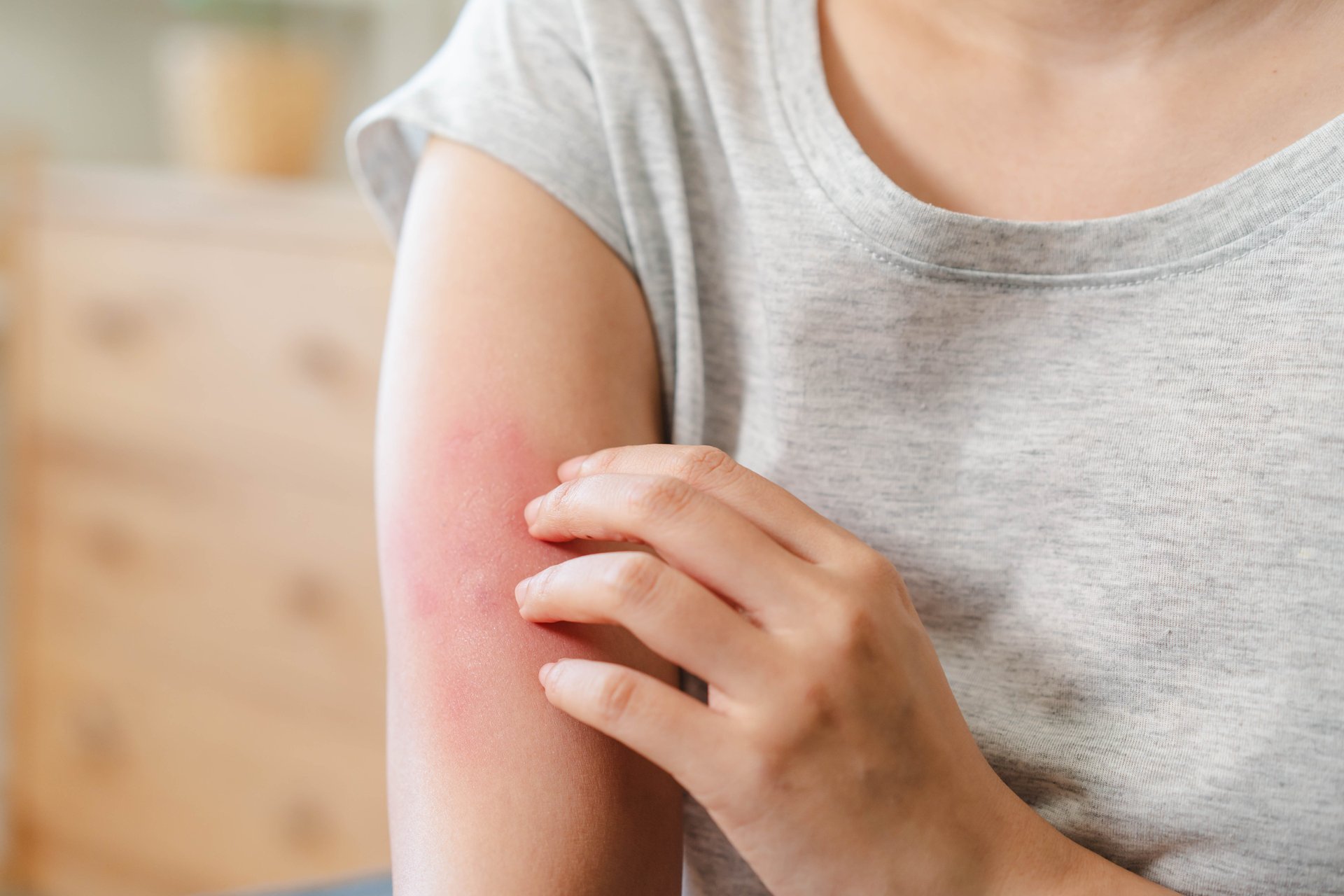
If your skin feels tight and itchy after every shower or your hair looks dull no matter which products you try, your water could be part of the problem. Hard water is common in many homes, and it can affect more than your faucets and dishwasher. If you’ve ever wondered whether hard water can cause dry skin and hair, the answer is that it can certainly contribute. A water softener is one of the most effective ways to address it.
Here’s what Bay Area homeowners should know about hard water, how it affects your skin and hair, and what you can do about it.
What Is Hard Water?
Hard water contains higher levels of dissolved minerals, mainly calcium and magnesium. Water picks up these minerals as it moves through soil and rock before it reaches your home. Hardness is usually measured in grains per gallon (gpg) or milligrams per liter (mg/L), and the higher the number, the “harder” the water.
Hard water isn’t considered a health hazard to drink. But those extra minerals can cause a lot of everyday frustrations, from spotty dishes and scale buildup to the way your skin and hair feel after a shower. Hardness levels vary by water source across Northern California, so the best way to know what’s in your home’s water is to test it.
Can Hard Water Cause Dry Skin?
Hard water can contribute to dry, irritated skin for a few reasons.
Soap Residue Stays on Your Skin
Calcium and magnesium react with soap and many body washes to form a sticky film often called soap scum. The same film that builds up on shower doors can also cling to your skin, making it harder to rinse clean. That leftover residue can leave skin feeling tight, dry, or itchy.
Minerals Can Affect Your Skin Barrier
Research published in the Journal of Investigative Dermatology in 2018 by researchers at the University of Sheffield and King’s College London found that hard water, combined with common soap ingredients, can damage the skin’s protective barrier and increase sensitivity. A healthy skin barrier helps hold moisture in and keep irritants out.
You May Use More Product
Because soap doesn’t lather as well in hard water, it’s easy to use more of it, which can strip even more of your skin’s natural oils.
Can Hard Water Make Eczema or Sensitive Skin Worse?
Many people with eczema or sensitive skin notice their symptoms flare when they use hard water. Some studies have found associations between hard water and eczema, particularly in children. Water is just one of many possible triggers, though, so if you’re dealing with a skin condition, talk with a dermatologist or healthcare provider. Softer water may be one helpful piece of a bigger care plan.
Does Hard Water Damage Your Hair?
Hard water can affect your hair in several ways:
- Dullness: Mineral buildup coats the hair shaft, making hair look flat and lackluster.
- Dryness and frizz: Minerals can make hair feel rough, brittle, or straw-like.
- Tangles and breakage: A coated hair shaft is harder to detangle and more prone to breakage.
- Less effective products: Shampoo and conditioner don’t work as well, so hair may feel heavy or never fully clean.
- Color fading: Some people notice that color-treated hair fades faster or takes on unwanted tones.
How Can You Tell If You Have Hard Water at Home?
Common signs of hard water include:
- White, chalky spots on faucets, showerheads, and glass shower doors
- Spotty or cloudy dishes and glassware
- Soap that doesn’t lather well
- A slippery or filmy feeling on your skin after rinsing
- Stiff, scratchy laundry
- Scale buildup in kettles, coffee makers, and water heaters
We cover more warning signs in our resource on the signs of bad water. The most reliable way to know for sure is to schedule a free water test.
Does Softened Water Help Dry Skin and Hair?
Many homeowners notice a difference soon after switching to soft water. A water softener removes the calcium and magnesium that cause hardness, so soap lathers more easily and rinses away more completely. That often means:
- Skin that feels softer and less tight after bathing
- Hair that looks shinier and feels smoother
- Less soap, shampoo, and conditioner needed
- Cleaner showers, fixtures, and dishes
Some people describe soft water as feeling “slippery” at first. That’s simply because there’s no mineral film left on your skin. Learn more about the benefits of soft water throughout your home.
What About Chlorine and Other Contaminants?
Hardness isn’t the only thing in tap water that can affect your skin and hair. Many municipal water supplies are disinfected with chlorine or chloramine, which some people find drying. A whole-home water filtration system can reduce these and other contaminants, and it can be paired with a softener for more complete treatment.
Is There a Water Softener Option Without Salt?
Yes. If you’d prefer not to manage salt, a salt-free water conditioning system may be a good fit. These systems work differently than traditional softeners, helping to reduce scale buildup without removing minerals in the same way. The right choice depends on your water test results, household size, and goals. When comparing systems, look for products certified by organizations such as NSF or the Water Quality Association (WQA).
Ready to feel the difference softer water can make? Puronics of NorCal helps homeowners in Livermore, San Jose, San Francisco, and throughout the Bay Area find the right water treatment solution. Contact us today to schedule your free water test.